
Course
Professional Photography Course
Registration opens on 1 March 2026.
Stay tuned!
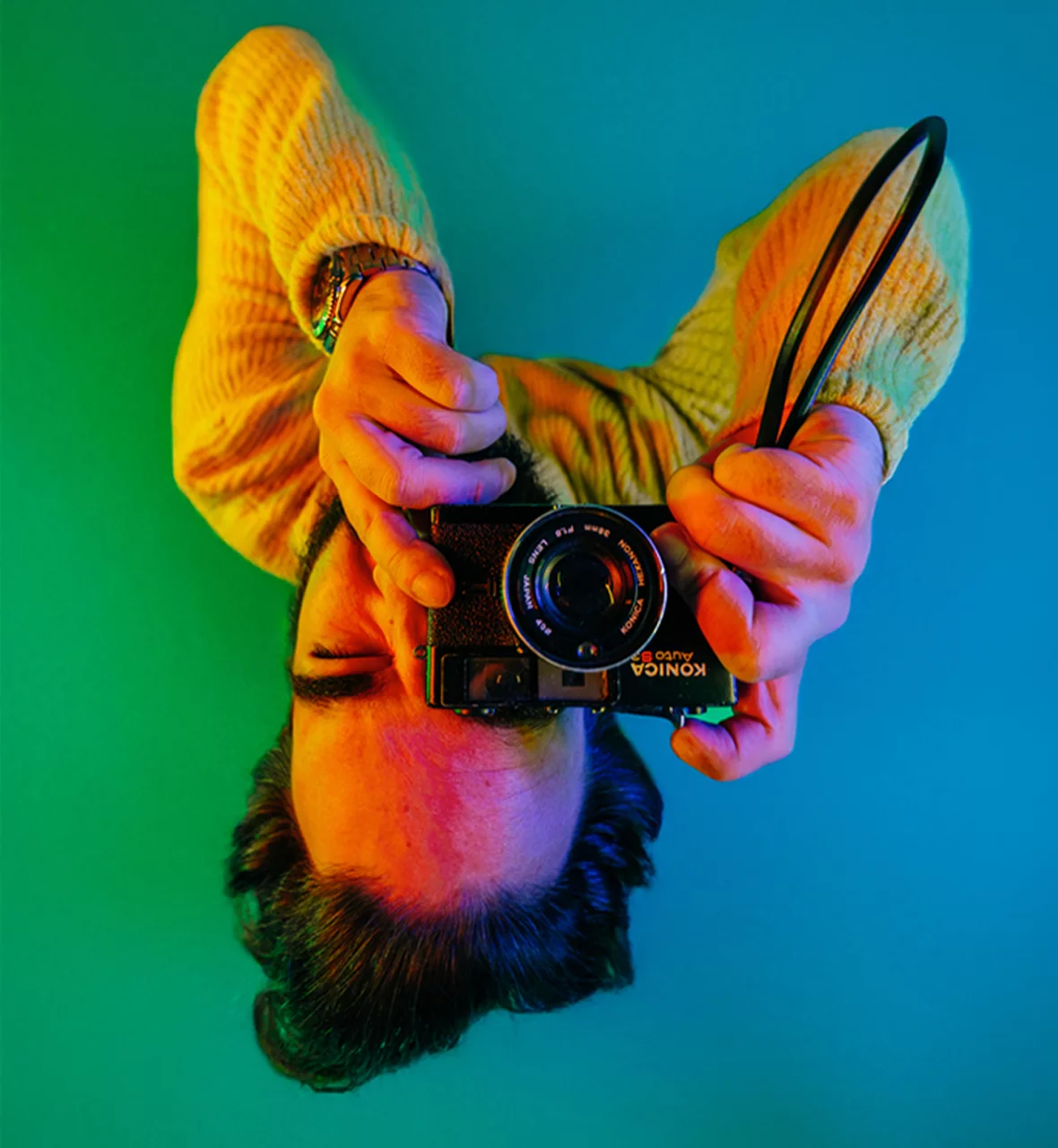
The ability to bring an idea to light
The Professional Photography Course at ETIC_Algarve is a practical training programme that combines technique and creativity to prepare you to work in photography in a variety of contexts. If you are looking for a photography course to develop your skills, here you will learn to master the photographic process from planning to shooting, editing and printing, with a focus on practice and results.
In this course, you will develop a solid foundation in digital photography, composition, and photographic lighting, gaining the confidence to create images with intention, consistency, and professional quality.
In the Professional Photography Course, you will learn:
- Advertising, fashion, events and photojournalism photography
- Portrait, artistic nude and architectural/real estate photography
- Post-production and image editing techniques
- Lighting and photographic composition for different environments
- Using photography as a form of expression, visual communication, and art.
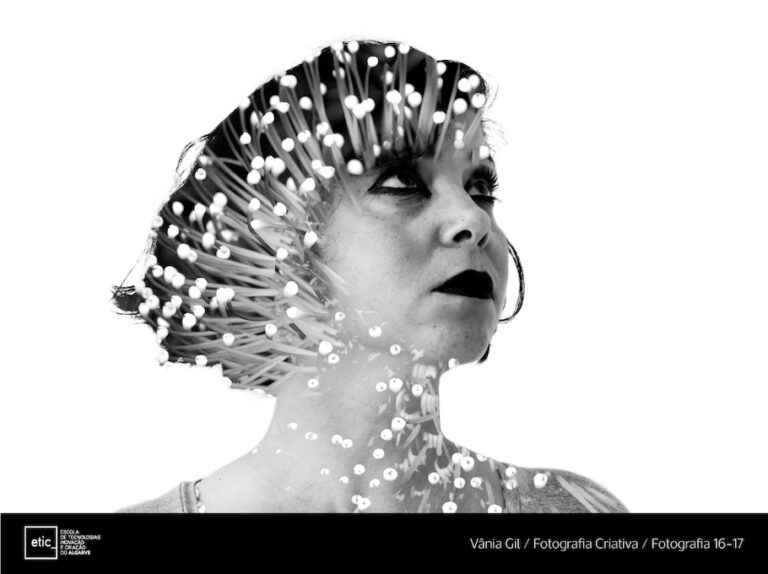
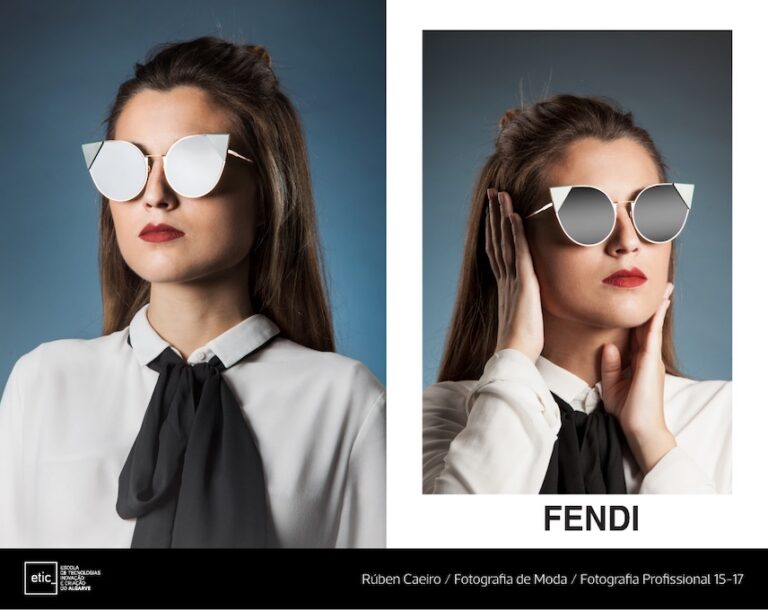
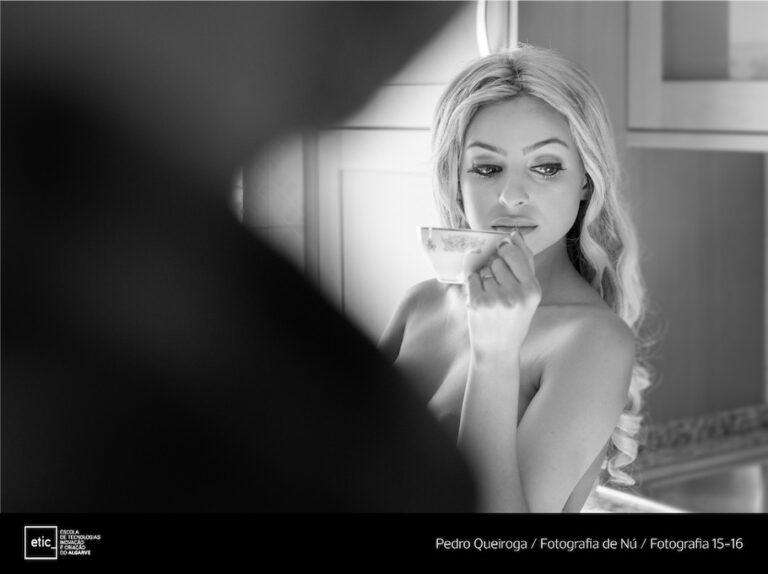
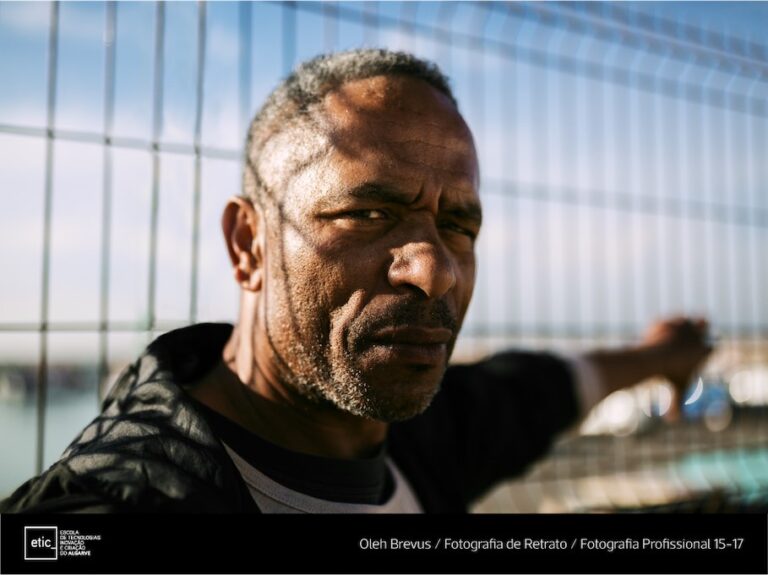
With a creative and market-oriented approach, this photography course gives you the tools you need to build a solid and versatile photography portfolio, essential for deciding whether you want to pursue photography as a profession and for entering the market with more confidence. Throughout the course, you will work in different areas of professional photography, developing a critical eye and your own visual language.
Upon completing this Professional Photography Technical Course, you will undertake a 480-hour Curricular Internship, an essential step in applying the skills acquired throughout the course and gaining practical experience in the job market.
You will also have the opportunity to participate in a European ERASMUS+ mobility project, enjoying an enriching international experience.
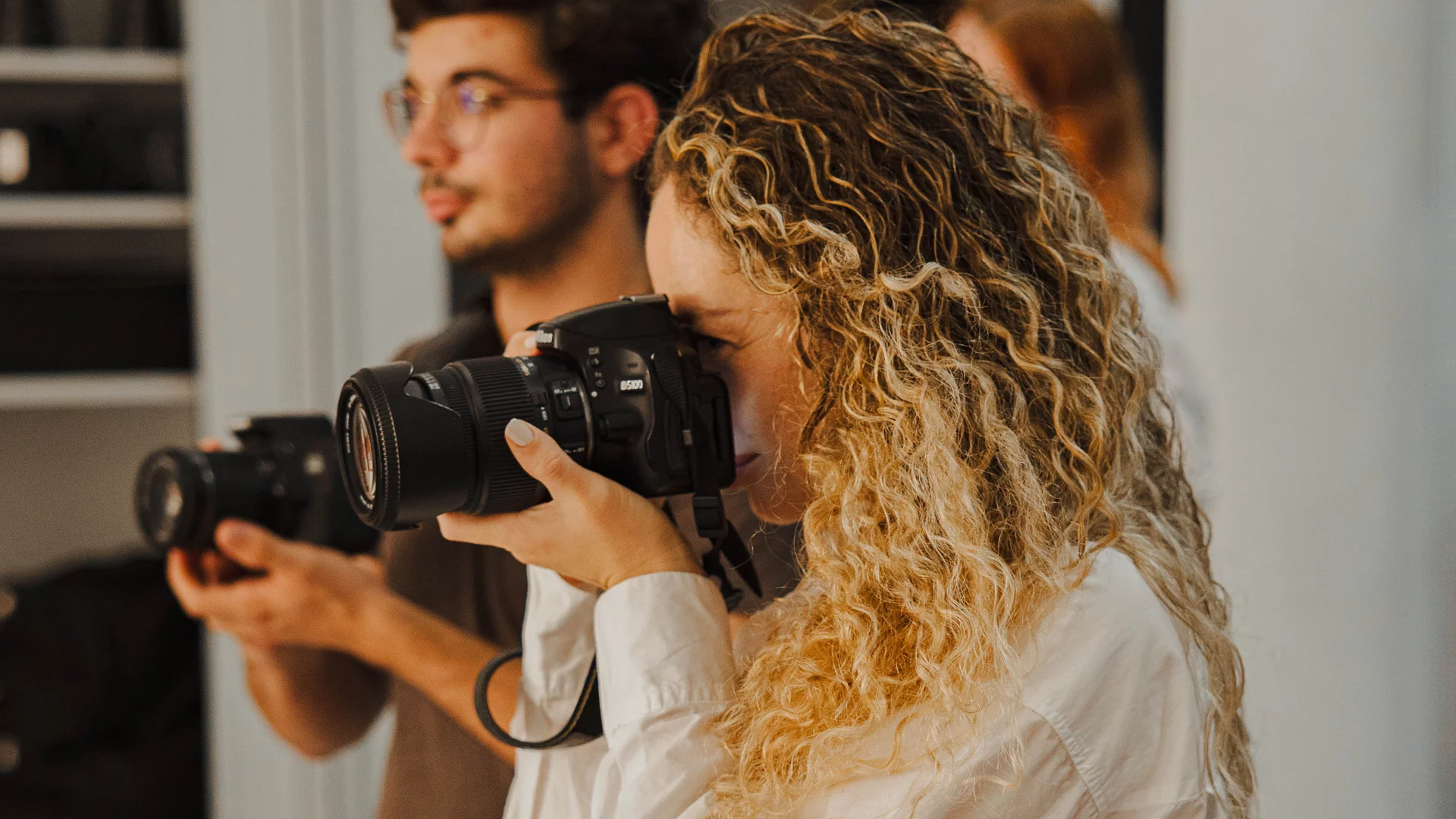
Trainee Support
Concern for the well-being of students is a constant priority, which is why ETIC_Algarve has been providing its community with various services that contribute to their personal and human growth.
Whether through support for entering the job market, personal development, or financial support granted through the recent Training Grant, we offer trainees a variety of ways to facilitate and promote their growth.
Bolsa Formação
Bolsa Luís Lobato
Personal Development

2 Years
1,260 hours, including a 480-hour curricular internship
Classes from October to July
Monday to Friday, from 9:30 a.m. to 1:30 p.m.
Number of Trainees
Maximum 16
And after the course?
Erasmus+
Upon completion of this training, you will have the opportunity to participate in our ERASMUS+ European mobility project.
Career opportunities
- Photographer
- Social and event photographer
- Freelance real estate photographer and/or photographer for estate agencies
- Freelance reporter
- Advertising and Fashion Photography Assistants
- Authorial photographer.
Specialisation Opportunities
After the first two years of this course, you will be able to specialise in the third year at TU Prague City Study Centre in Prague, Czech Republic, or at ETIC in Lisbon, where you will prepare for the challenges of the international creative market.
With our European partners, you will obtain Advanced Level Certified Training, which will give you access to a training programme leading to an internationally recognised degree.
External courses by institution: ETIC, Lisbon, Prague City Study Centre, Prague, Czech Republic.

ETIC_Lisboa
- Photography

TU Prague City Study Centre
- Fine Art Experimental Media
Contents
-
History of Photography
-
- History of Photography and its Photographic Processes
- The Pioneers. Primitive techniques and subsequent evolution
- Movements, trends and tendencies
- Photography in Portugal
-
Photographic Techniques
-
- Camera components
- The shutter and diaphragm. Shutter/diaphragm ratio.
- Depth of field Lenses, types and characteristics
- ISO value
- Analogue and digital, similarities and differences
- Light measurement. The histogram. Concept of colour temperature. White balance.
- Composition and framing concepts
- Photography practice
-
Lighting
-
- Light and its characteristics
- Natural and artificial light
- Continuous light and electronic flash
- Photographic practice
-
Photographic Post-Production I
-
- Portrait and Fashion Photography
-
Portrait and Fashion Photography
-
- A brief history of portrait photography
- Lighting techniques for shooting portraits in the studio and outdoors
- The human body. Proportions and framing
- Differences between shooting portraits and fashion
- Fashion photography. The mood board. Editorial, cover and beauty photography
- Directing models
- Photography practice
-
Nude Photography
-
- The commercial photography studio
- Commercial management: The client. Magazines, agencies and direct clients
- The advertising agency and the creative team
- Lighting techniques applied to the creation of commercial images
- Photographic practice
-
Advertising Photography
-
- The commercial photography studio
- Commercial management: The client. Magazines, agencies and direct clients
- The advertising agency and the creative team
- Lighting techniques applied to the creation of commercial images
- Photographic practice
-
Photography for Interior Architecture
-
- Differences between architectural photography and real estate photography
- Basics of photographing spaces. Camera settings, how to merge HDR, use of a tripod.
- How to explore creative photography to highlight details and features, the best angles.
- How to approach a client, budgeting and planning sessions.
- Work methodology, folder organisation, backups and archiving.
- Photography practice
-
Photojournalism
-
- The different types of written media outlets
- The various types of photojournalism
- Photojournalism and Documentary
- Photography Event Photography
- Photographic practice
-
Journalistic Writing Techniques
-
- Functions of communication
- Journalistic discourse and text
- Image and word
- Sources of information and journalistic investigation
-
Video
-
- Cameras and accessories
- The image/sound relationship
- Image formats
- How to film a news story
- Editing basics
-
Documentary Photography
-
- Differences between Photojournalism and Documentary Photography
- The importance of prior study and planning
- Notions of critical analysis of the photographic image
- Importance of Documentary Photography as a historical document Photographic practice
-
Photographic Post-Production II
-
- Painting in the image: light and shadow, retouching and image correction
- Workflow, image cataloguing, creation of actions and integration
- Development and application in ongoing work
-
Projecto
-
- Analysis of reference projects
- Research work
- Create, develop and present an individual project
-
Design, Layout and Print
-
- Relationship between text and images
- Notions of layout and quality control in printing
-
Portfolio, Pitching, and Entrepreneurship
-
- Communication and oral strategies
- Strategies and tools for business creation
- Creation, development and presentation of a portfolio
-
Workshops/Masterclasses
-
Multidisciplinary Projects Curricular Internship
-
- Internship in a company in the field, lasting 480 hours
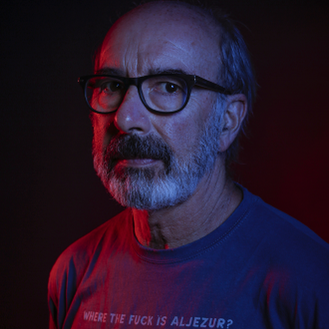
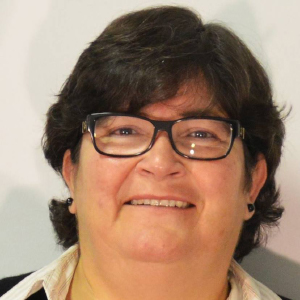
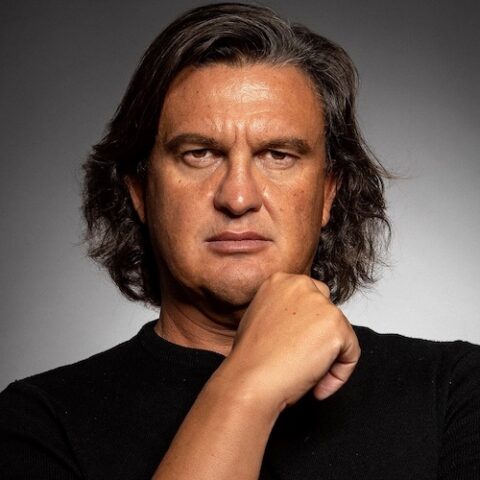
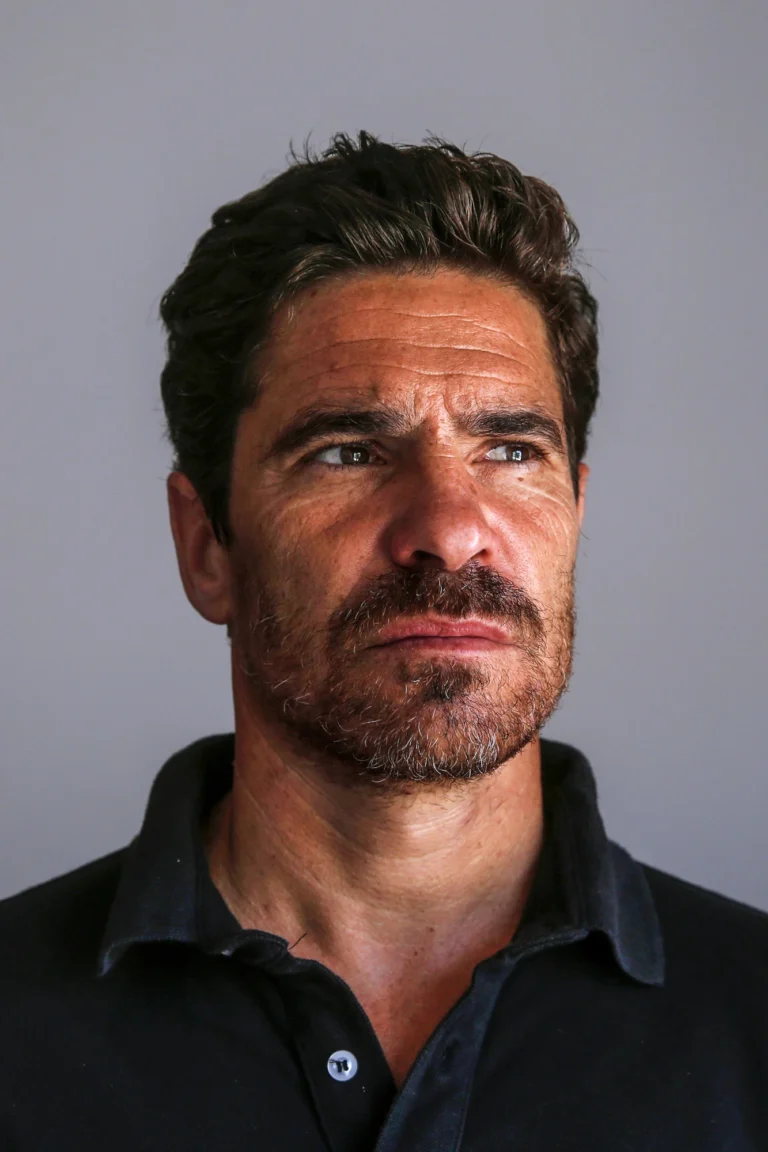
Trainers
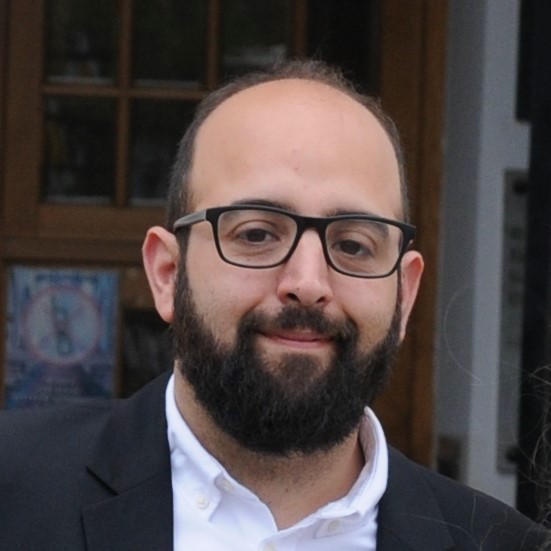
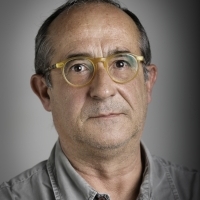
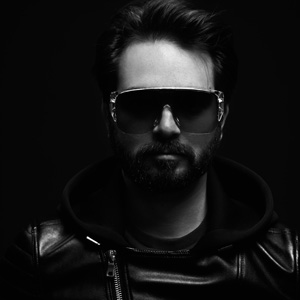
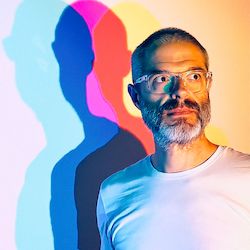
Resources and Equipment
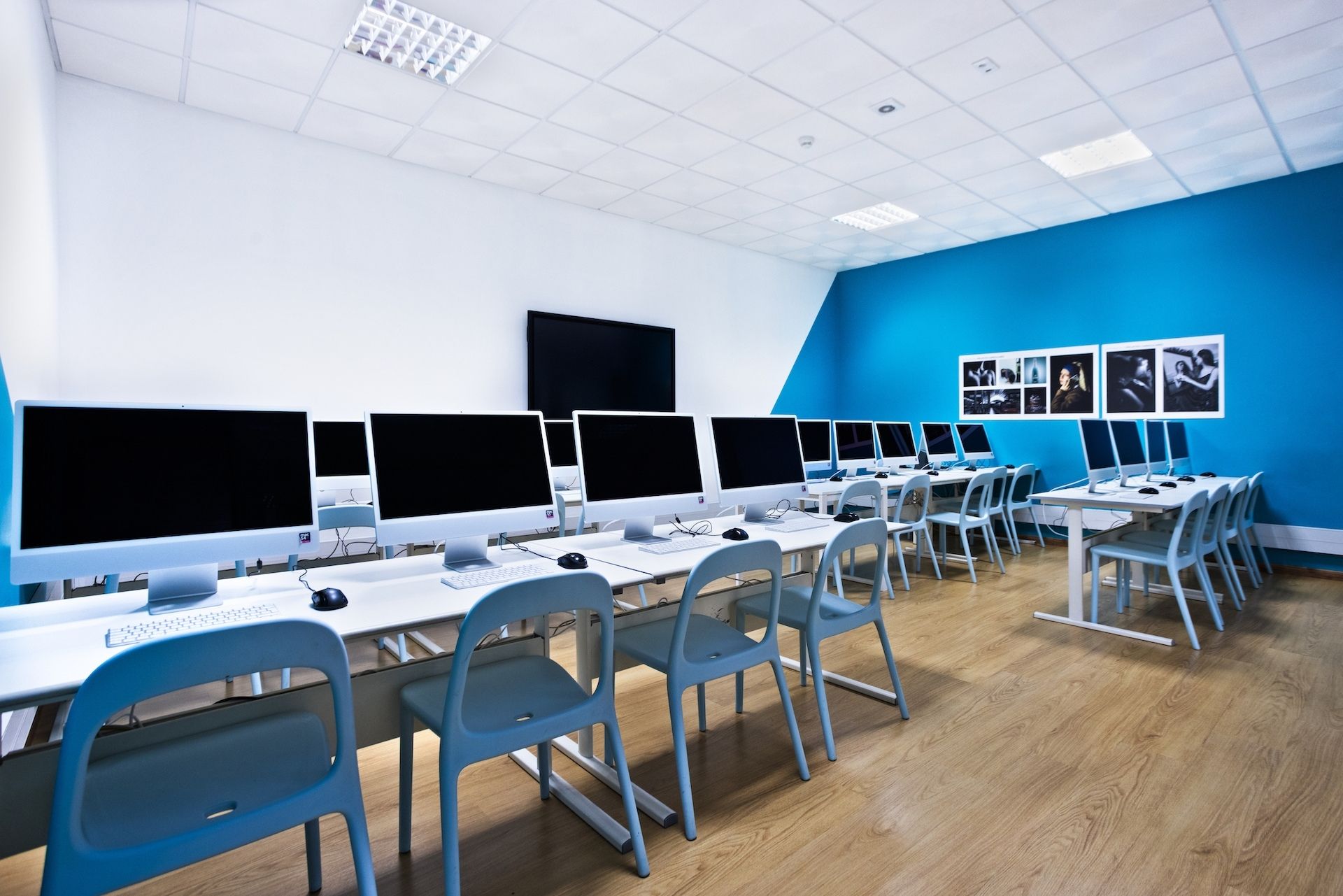
- Room equipped with one computer per trainee, with macOS or Windows environment
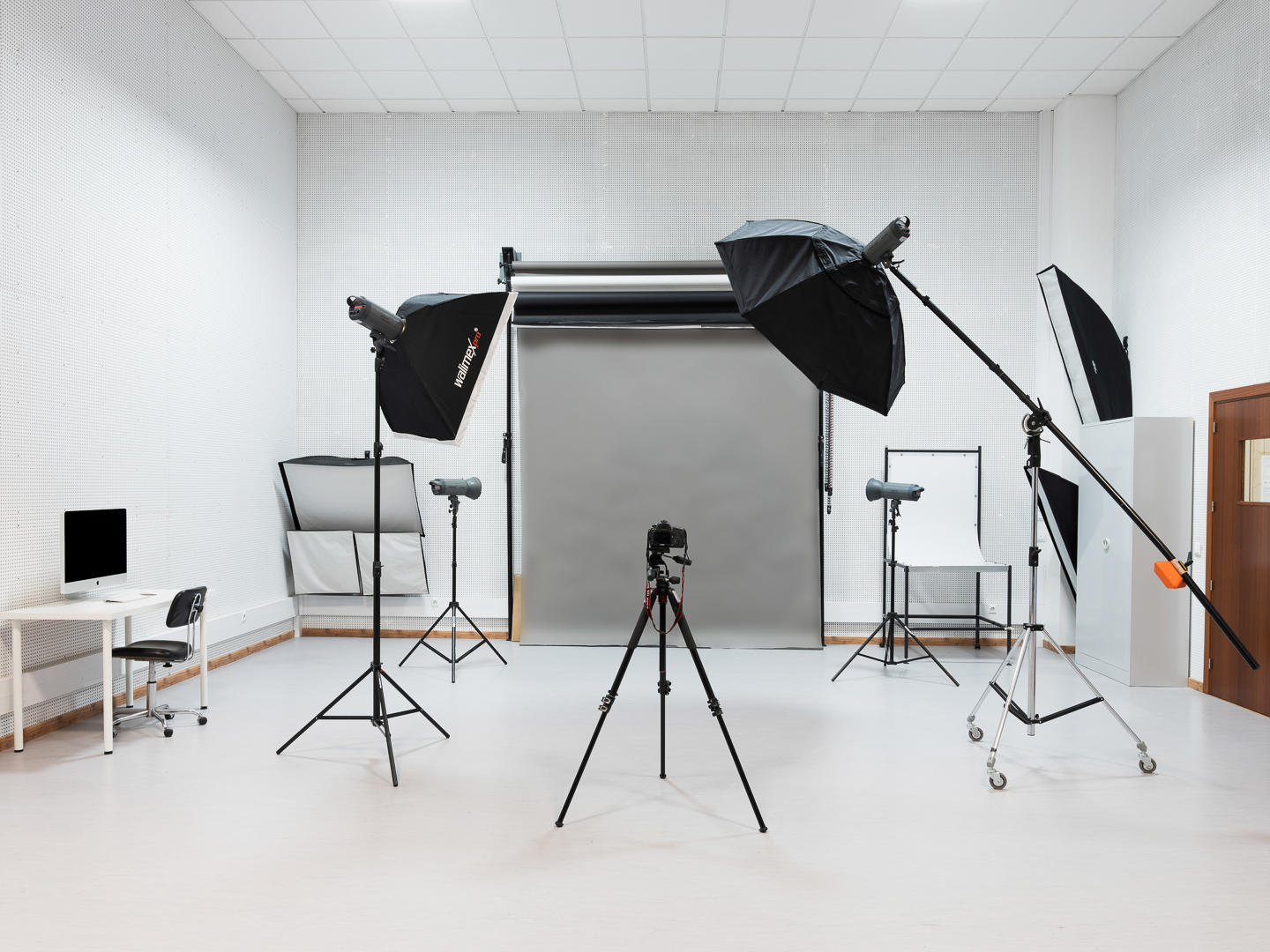
- Photography studio equipped with continuous lighting and Walimex, Godox, and Profoto electronic flashes
- Huion Kamvas and Wacom drawing tablets
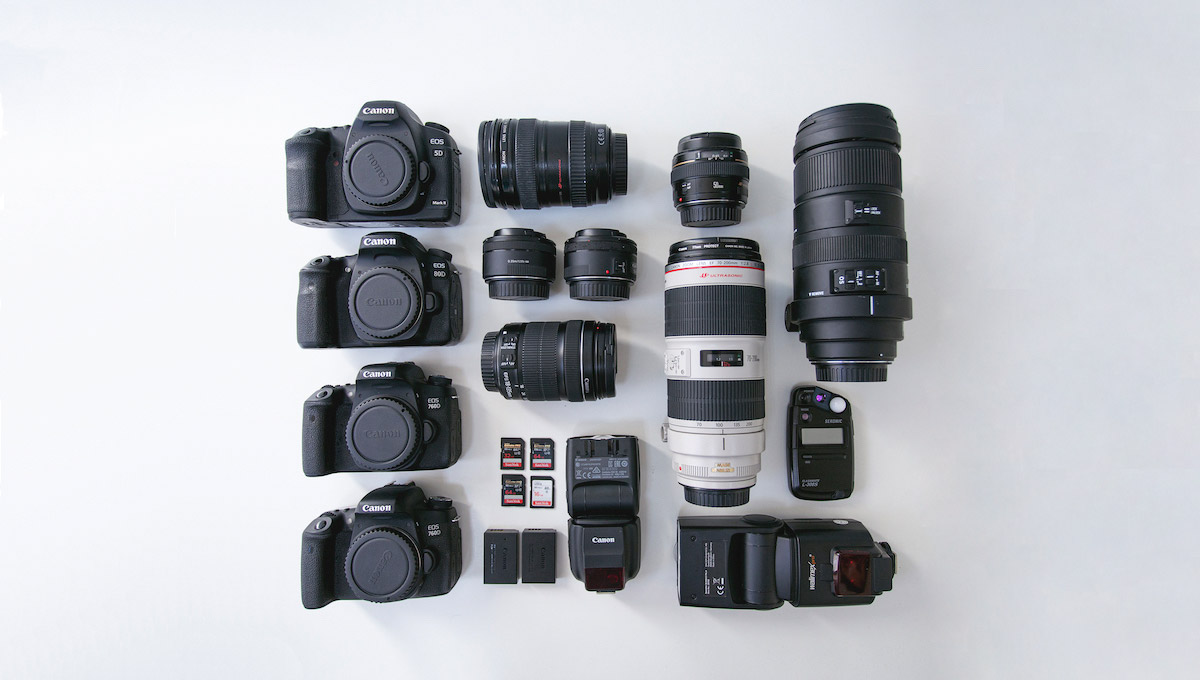
- DSLR cameras – (3 full frame and 5 APS-C), 2x Canon 5D MARKll, 1x Canon 5D MARKIII, 1x Canon 80D, 2x Canon 760D, 1x Canon 550D
- Mirrorless Cameras – Canon R3, Canon R5, Canon R6 Mark II
- Medium Format Camera – Fujifilm GFX 50S
- 16 lenses for DLSR, 5 lenses for Mirrorless and 2 lenses for Medium Format
- Software: Adobe Creative Cloud: Bridge, Lightroom, Photoshop, InDesign, among others.

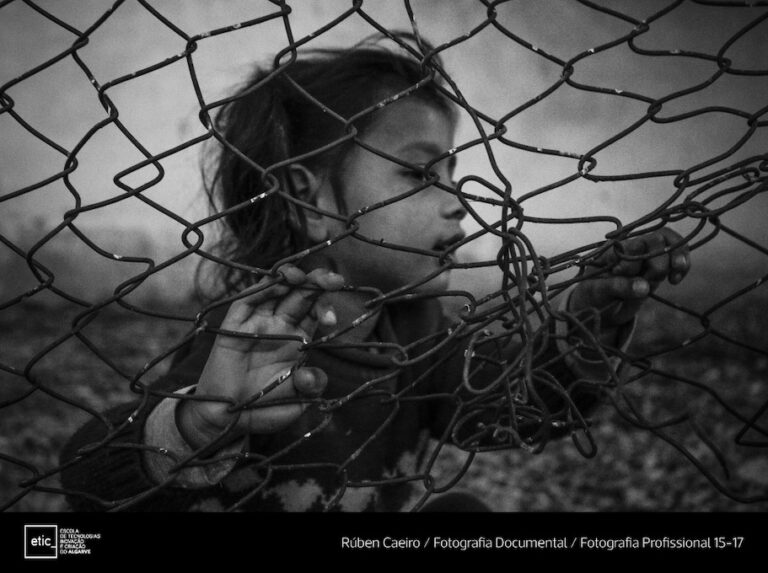
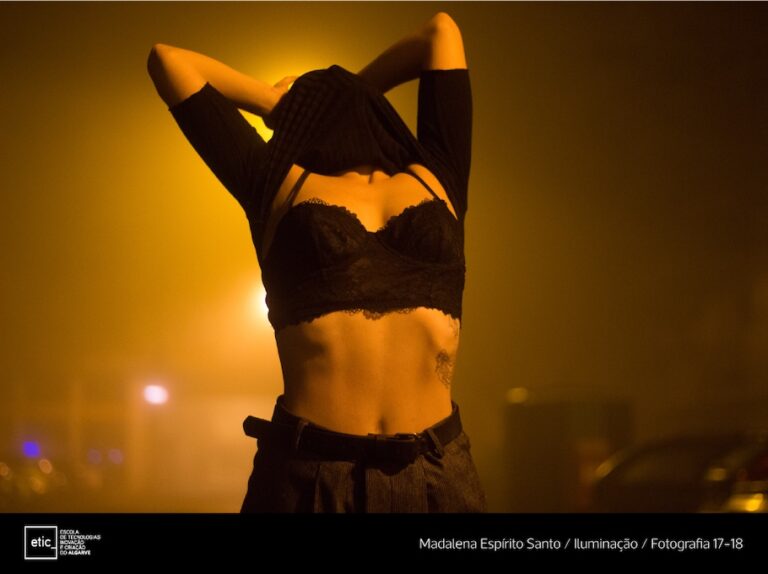
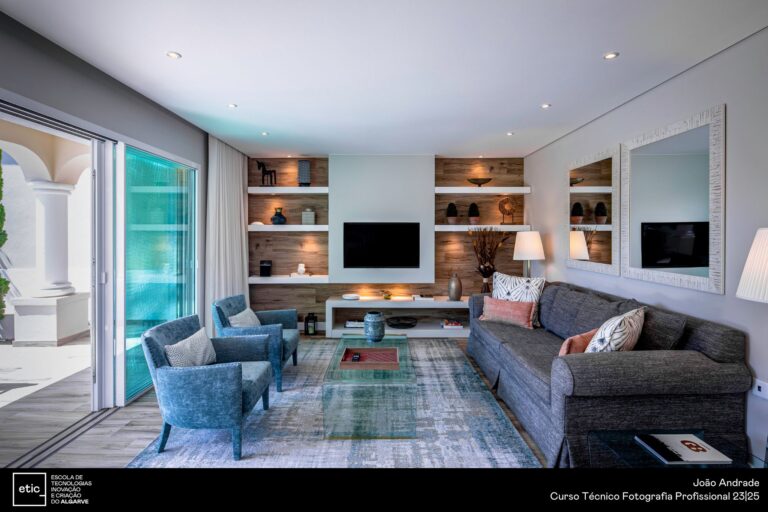
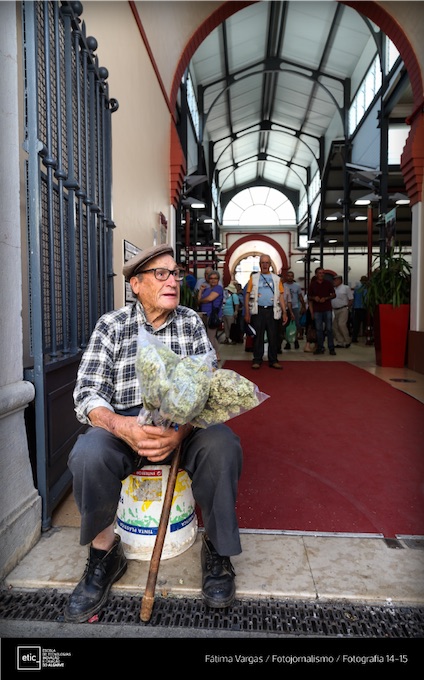
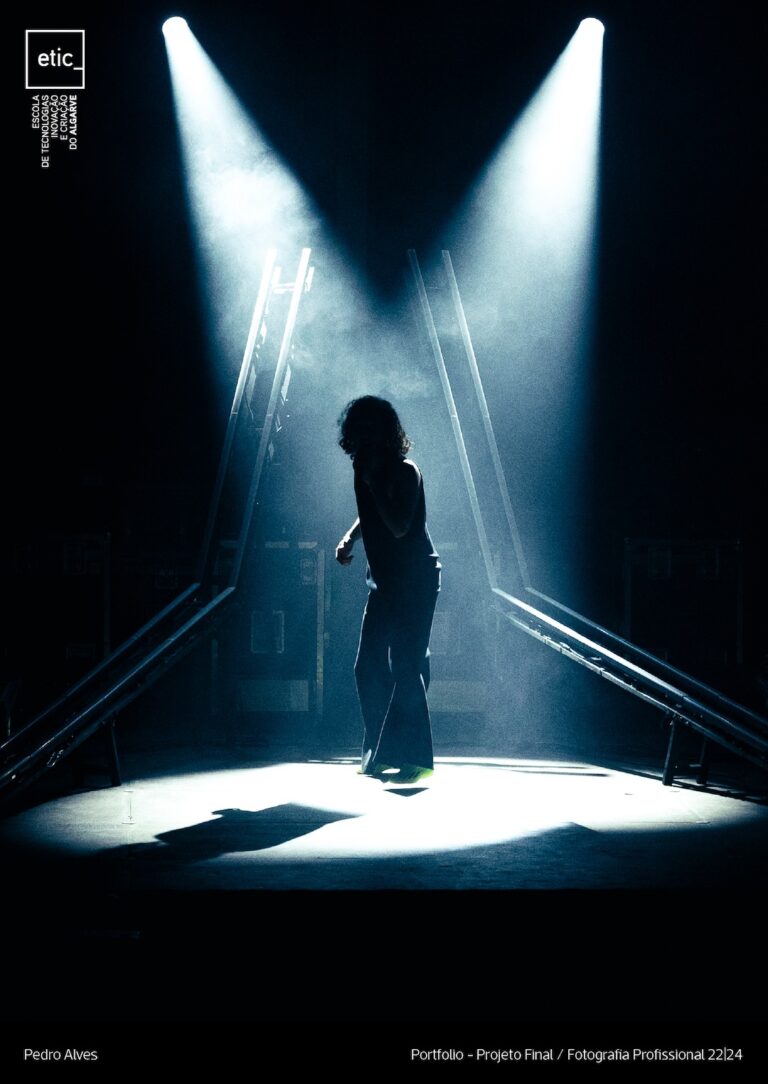
Portfolio

Application Process
- Schedule a personal interview, please contact info@eticalgarve.com or call 289 823 359 / 960 309 550.
- Completion of application form (sent by e-mail after scheduling the interview)
- Attend the previously scheduled interview with the Academic Director, at which you must present your portfolio, if you have one.
- Wait for notification of the application result.
Enrolment takes place between March and October, until the start of classes, and while there are places available on the courses.
Enrolment can be completed after the admission requirements have been verified and upon payment of the enrolment fee and presentation of:
- Curriculum / Biography
- 1 passport-type photograph, in digital format
- Certificate of qualifications
- Documents of the Applicant and the Payment Manager (Identity Card / Citizen Card + Taxpayer Card + Proof of address: electricity, water, telephone bill or driving licence)
- Fill in and sign the registration form and training contract.
Are you interested?
Registration for the Technical Courses will reopen on March 1, 2026.
If you are interested in this course, please fill out the form.