
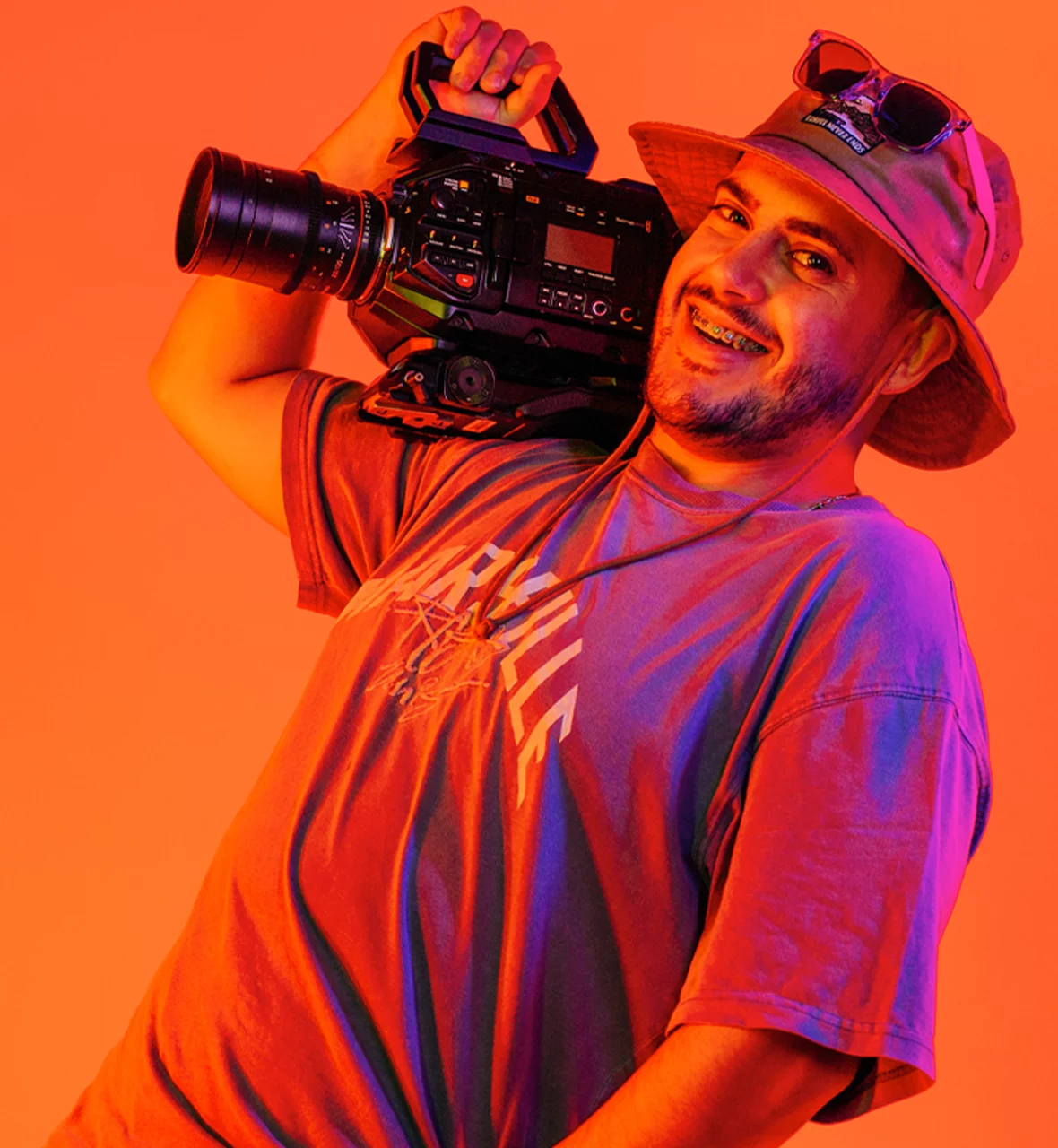
How to create a story from start to finish
The Technical Course in Film and Television Production at ETIC_Algarve is a professional training programme that combines technique and creativity to prepare you for work in the field of video, film and television. With this training, combined with technical instruction and practical training, you will learn to transform ideas into complete audiovisual narratives, mastering all stages of production.
- Camera operation, lighting and sound recording
- Realisation, pre-production, production and post-production
- Editing and finalisation of audiovisual projects
- Creation of visual narratives for cinema, television, and digital content
- Research and analysis of topics applied to audiovisual media
This training in the audiovisual field prepares you to work on short and feature film productions, documentaries, advertising and television, equipping you with the skills required by the film and audiovisual industry.
Upon completing this Technical Course, you will undertake a 480-hour Curricular Internship.
Furthermore, the opportunity to participate in a European ERASMUS+ mobility project, enjoying an enriching international experience through an internship.
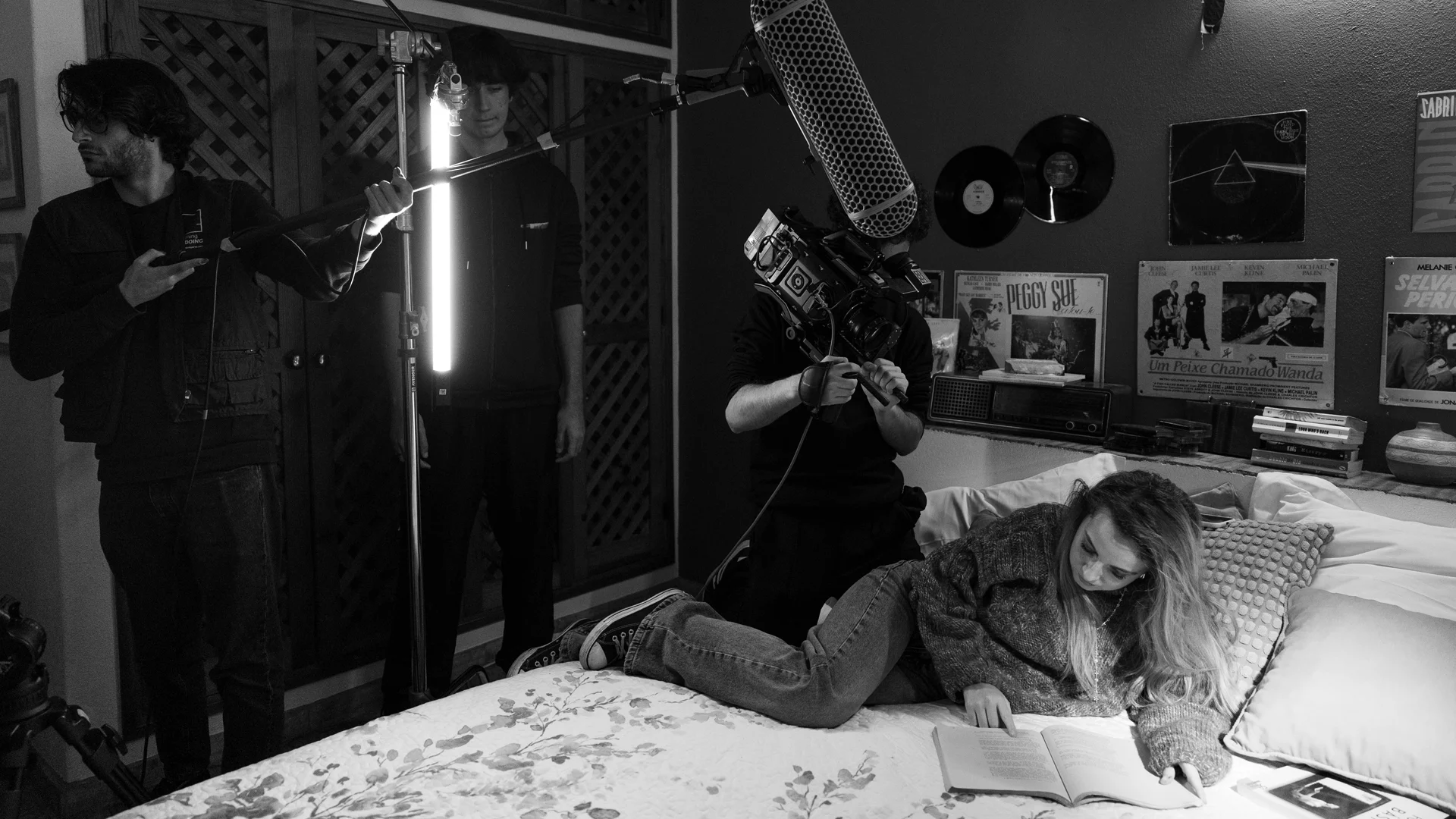
Support for Trainees
Concern for the well-being of students is a constant priority, which is why ETIC_Algarve has been providing its community with various services that contribute to their personal and human growth.
Be it support for entering the job market, support for personal development, or financial support granted through the recent Training Grant, there are several ways in which we facilitate and promote the growth of our trainees.
Training Grant

Bolsa Luís Lobato
Personal development

2 Years
1,300 hours, including a 480-hour curricular internship
Classes from October to July
Monday to Friday, from 9:30 a.m. to 1:30 p.m.
Number of Trainees
Maximum 16
And after the course?
Erasmus+
Upon completion of this training, you will have the opportunity to participate in our ERASMUS+ European mobility project.
Career opportunities
- Technical roles in a film or television crew
- Image reporter
- Freelancer in the audiovisual fields
- Online video content creator
Specialisation Opportunities
After the first two years of this course, you will be able to specialise with a third year at Prague City University in Prague, Czech Republic, or at ETIC in Lisbon, where you will prepare for the challenges of the international creative market.
With our European partners, you will obtain Advanced Level Certified Training, which will give you access to a training programme leading to an internationally recognised degree.
External courses by institution: ETIC in Lisbon. TU Prague City Centre, in Prague, Czech Republic.

ETIC_Lisboa
- Media Production

TU Prague City Study Centre
- Media Production
Contents
-
Introduction to cinema
-
- Introduction to film analysis, history and aesthetics
-
Audiovisual language
-
Audiovisual project
-
Camera and Lighting
-
- Anatomy of a camera
- Introduction to capture and lighting equipment, respective rules and handling precautions
- Practical technical image recording
- Practical lighting and environment creation
-
Screenplay, Script and Storyboard
-
- Strategies for codifying and transposing an argument into a script and from there into a sequence of shots
- Fundamentals of Visual Storytelling
- Building a plan and structuring the respective Storyboard
-
Note and continuity
-
- Concepts, methods and rules applied to annotation
- Manipulation of narrative, emotional and sound continuity
-
Directing Actors
-
- Analysis and understanding of the main trends and schools of representation and interpretation
- Techniques of representation, directing actors, casting and rehearsals with actors
- Relationship between director, actors and film crew
- Importance of mise en scène for the film and for acting
-
Production
-
- Processes, methodology and types of production
- Budgets and financing
- Laws and jurisdictions applicable to the film, television and audiovisual industry
-
Sound recording and editing techniques
-
- Introduction to sound equipment and respective handling rules
- Importance of direct sound and the relationship between sound and image
- Techniques for recording direct sound, pre-mixing and mixing sound
- Foley and post-production sound capture
-
Sound Environments and Narrative
-
- Approach to the soundtrack
- Sound Narratives
- Foley and construction of specific sounds
-
Offline and Online Editing, Colour Grading and Graphics
-
- Introduction to editing and post-production software
- Processes and methodologies for organising, editing and post-producing audiovisual files
- Introduction to graphic design applied to audiovisual projects
- The importance of editing in storytelling
- The emotional impact of editing
-
Audiovisual Aesthetics
-
- Introduction to aesthetic thinking
- Relevance of aesthetic decisions according to the needs of each project
- Analysis of audiovisual works
- Analysis of the most influential thinkers in the field of photographic imagery/moving images
-
Audiovisual Project
-
- Filmmaking exercise aimed at consolidating the knowledge acquired throughout the year: Writing, Directing, Acting, Production, Camera, Lighting, Sound and Editing
- Development of an audiovisual project with the aim of communicating film ideas visually and aurally.
-
Multi-camera and Streaming
-
- Review of the roles and functions of a television team
- Introduction to television programme models
- Techniques and rules for studio production and filming
- Criteria for operating a control room
- Streaming techniques and software
-
Advertising Project / Music Video
-
- Introduction to audiovisual techniques used in television adverts/ music videos
- Introduction to research, analysis and content creation techniques for specific clients
- How to develop an image for a specific concept: Identifying audiences and promotional objectives
- History and analysis of video in the context of the music world
- Development of a creative project within one of the areas presented that demonstrates the knowledge learned
-
Film Project
-
- Film types
- Fulfilling roles, duties and team coordination in the production of a short film
- Development of a collaborative short film project of a documentary or fictional nature
- Project supervision by various specialists in the field
-
Showreel, Pitching and Entrepreneurship
-
- Career advice and internship choices Communication and oral strategies
- Personal promotion strategies
- Project financing
- Introduction to business creation strategies and tools
- Introduction and analysis of the importance and creation of a showreel
-
Multidisciplinary Projects
-
Workshops / Masterclasses
-
Curricular Internship
-
- 480-hour internship at a company in the field
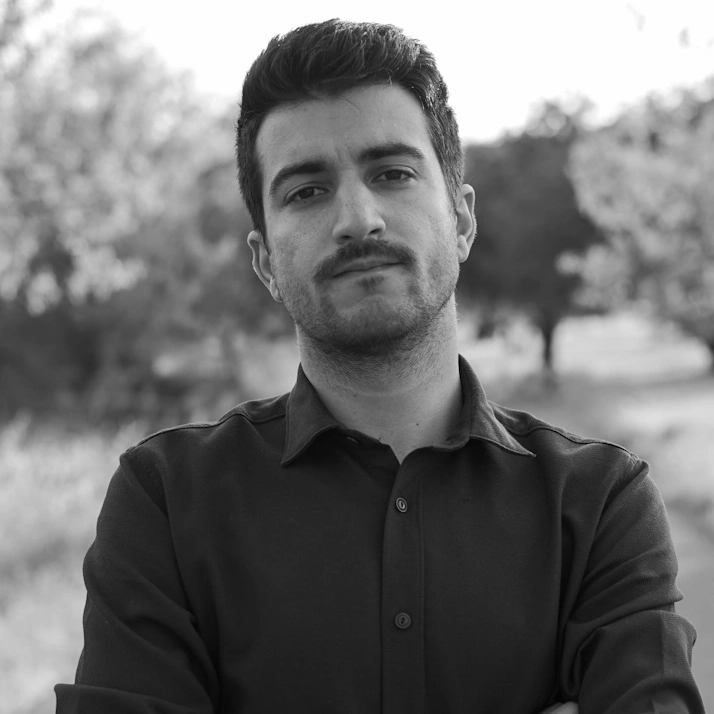
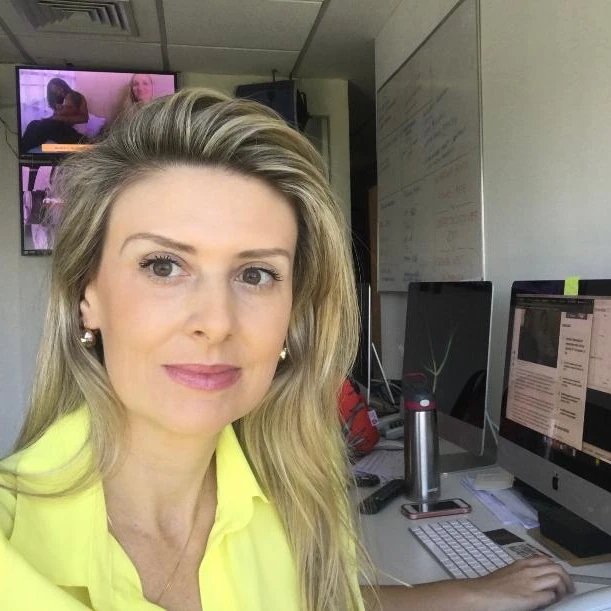
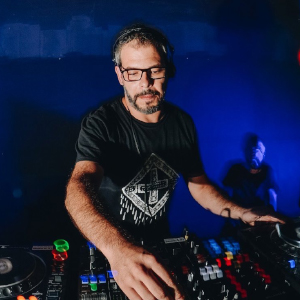
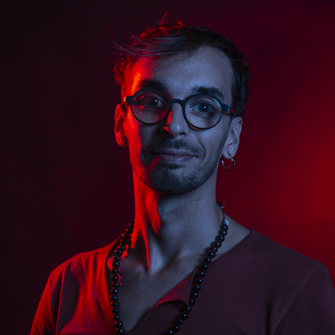
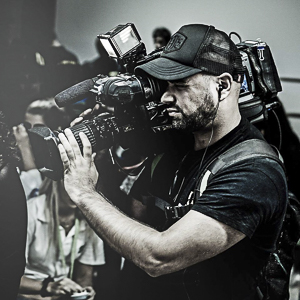
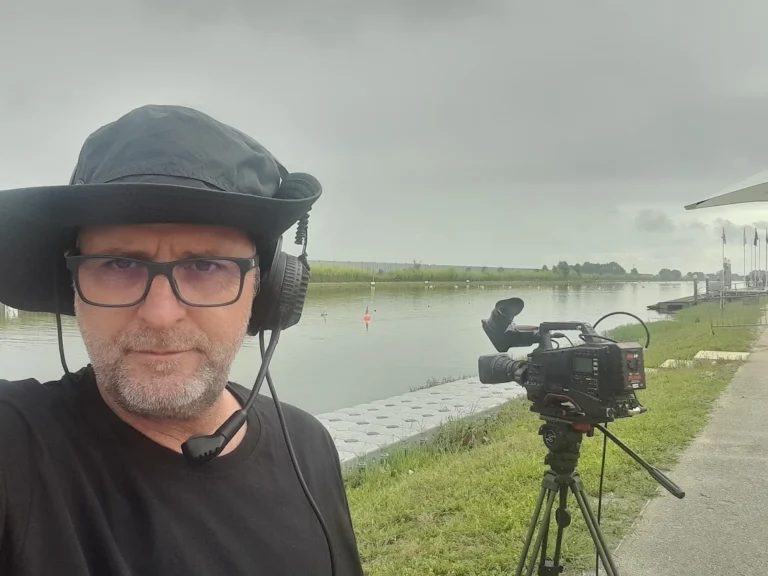
Trainers
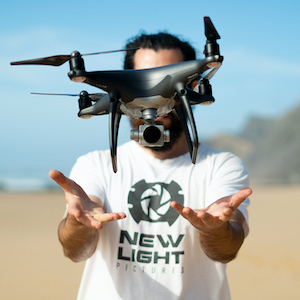




Resources and Equipment
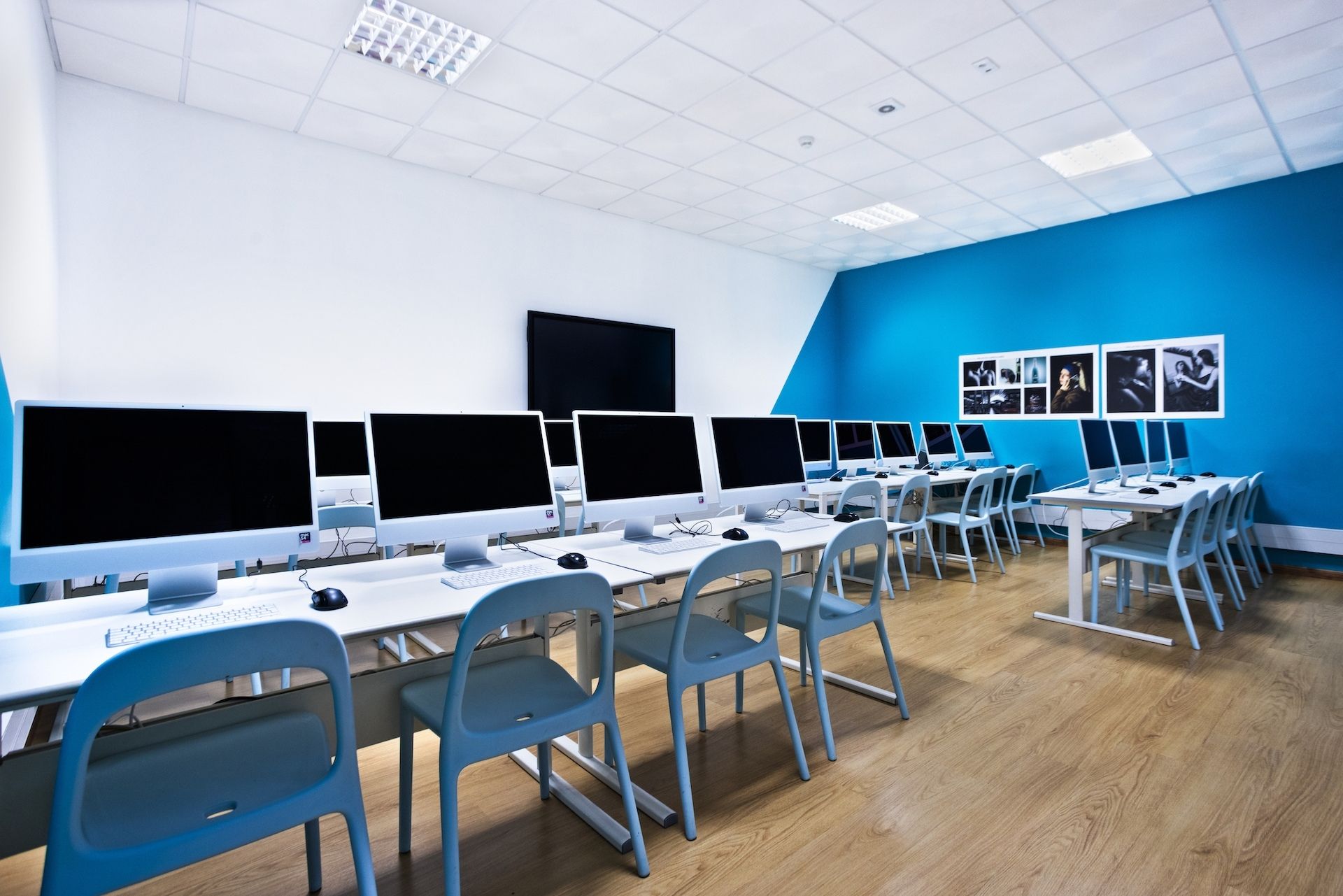
- Room equipped with one computer per trainee,with macOS or Windows environment;
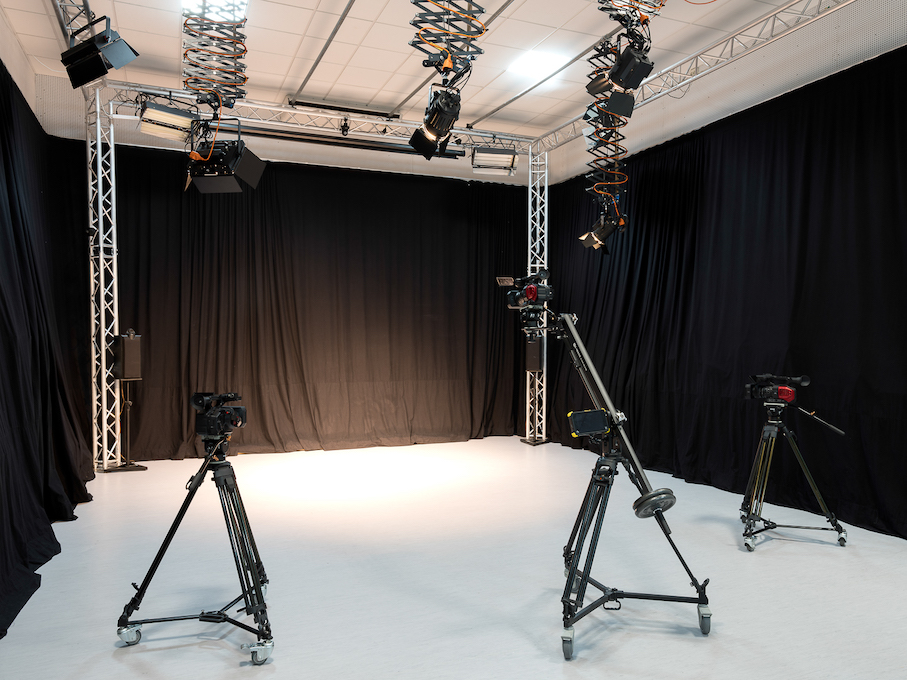
- A fully equipped 100m² video studio;
- Video and Audio Editing Régie;
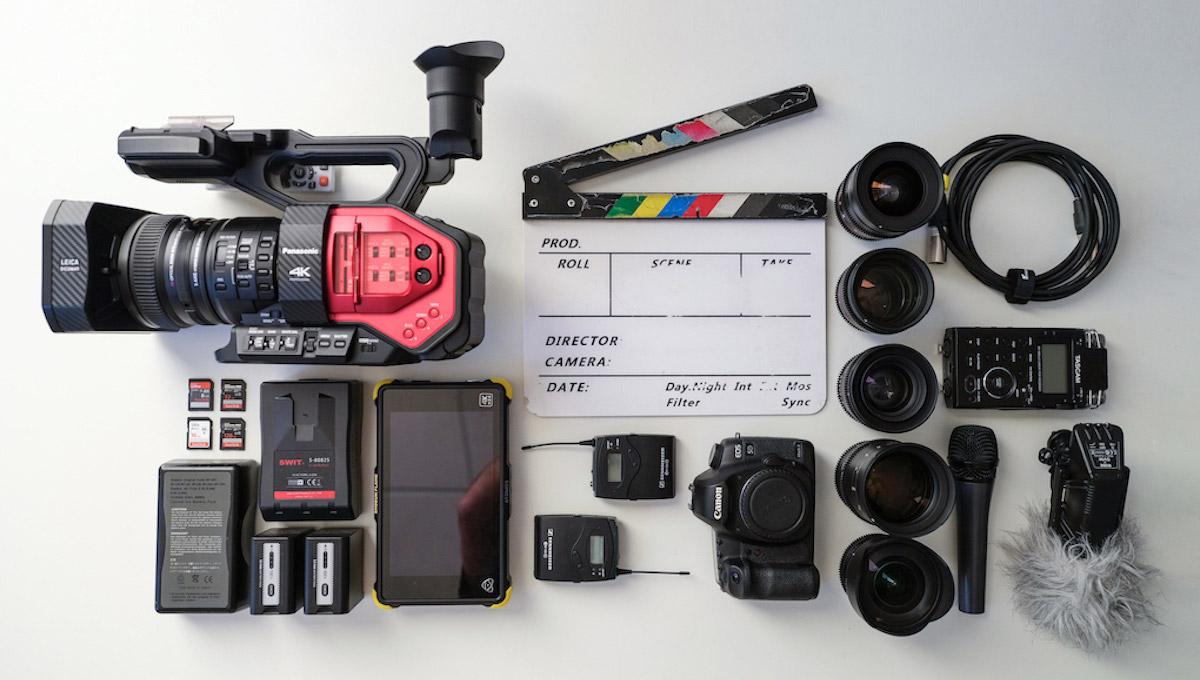
- BlackMagic Ursa Mini Pro G2 4.6K, with accessories;
- Prime Cinema Lens Kit;
- 3 Professional 4K Video Cameras;
- HD video control room equipped with 3 cameras and streaming server;
- Sound capture and recording equipment, including recorders, lapel microphones, boom microphones, and dedicated mixing desk;
- Shoulder Rig, Matte Box, Wireless Follow Focus, Atomos EVF, SteadyCam Vest, Gimbal, Wireless Video Transmitter;
- Studio and outdoor lighting equipment, including two 1200W HMI projectors and a Godox Tube TL60 kit;
- Various technical support materials in the area of video and audio, including Video Photometer;
- Software – DaVinci Resolve and Adobe Creative Cloud: Premiere Pro, After Effects, Audition, etc.; ProTools, Ableton Live, among others.
Portfolio
Application Process
- Schedule a personal interview, please contact info@eticalgarve.com or call 289 823 359 / 960 309 550.
- Completion of application form (sent by e-mail after scheduling the interview)
- Attend the previously scheduled interview with the Academic Director, at which you must present your portfolio, if you have one.
- Wait for notification of the application result.Enrolment takes place between March and October, until the start of classes, and while there are places available on the courses.
- Curriculum / Biography
- 1 passport-type photograph, in digital format
- Certificate of qualifications
- Documents of the Applicant and the Payment Manager (Identity Card / Citizen Card + Taxpayer Card + Proof of address: electricity, water, telephone bill or driving licence)
- Completion and signing of the registration form and training contract
Are you interested?
Registration for the Technical Courses will reopen on March 1, 2026.
If you are interested in this course, please fill out the form.